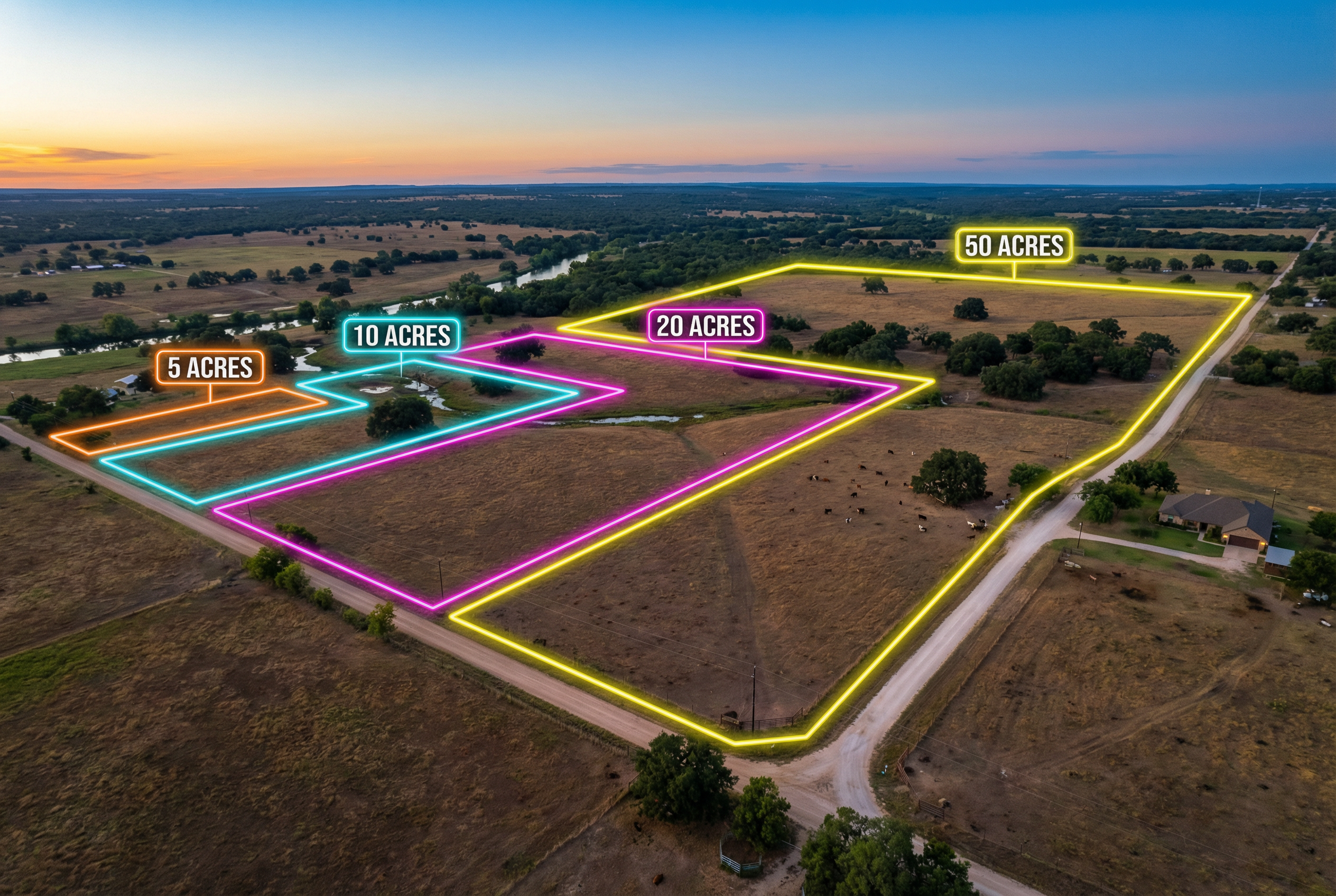
For Texas landowners, the question of development often boils down to a single, fundamental query: is my property big enough? It’s a question loaded with nuance, where the answer depends heavily on your goals, location, and the type of project you envision. While a quarter-acre lot might suffice for a single home in a dense urban core, creating substantial value through development typically requires a larger canvas. Many landowners, unaware of the possibilities, sell their property prematurely, leaving a fortune on the table for developers to capture.
The truth is, the journey to maximizing your land's value isn't about selling dirt; it's about selling a vision. It’s about transforming raw acreage into a development-ready asset through the land entitlement process. This is where Land Partner Group excels. We partner with landowners to navigate the complexities of zoning, planning, and engineering, ensuring you unlock the full financial potential of your property before a sale.
Does Size Really Matter in Land Development?
In land development, size is undeniably a critical factor, but it's not the only one. The viability of a project is a complex interplay between acreage, location, topography, and available infrastructure. However, a certain amount of scale is almost always required to absorb the significant fixed costs associated with development. These include engineering studies, platting fees, legal expenses, and the cost of bringing utilities like water, sewer, and electricity to the site.
Attempting to develop a parcel that is too small can quickly become a financially losing proposition. The per-unit cost of infrastructure becomes prohibitively high, erasing any potential for profit. This is a common pitfall for landowners who try to go it alone.
Understanding the concept of "net developable acreage" is also key. A 20-acre property might seem substantial, but if half of it is in a floodplain or covered by restrictive easements, you may only have 10 acres of usable land. This is why a professional assessment of what makes land developable is the essential first step before making any decisions.
The 10-Acre Threshold: A Common Sweet Spot
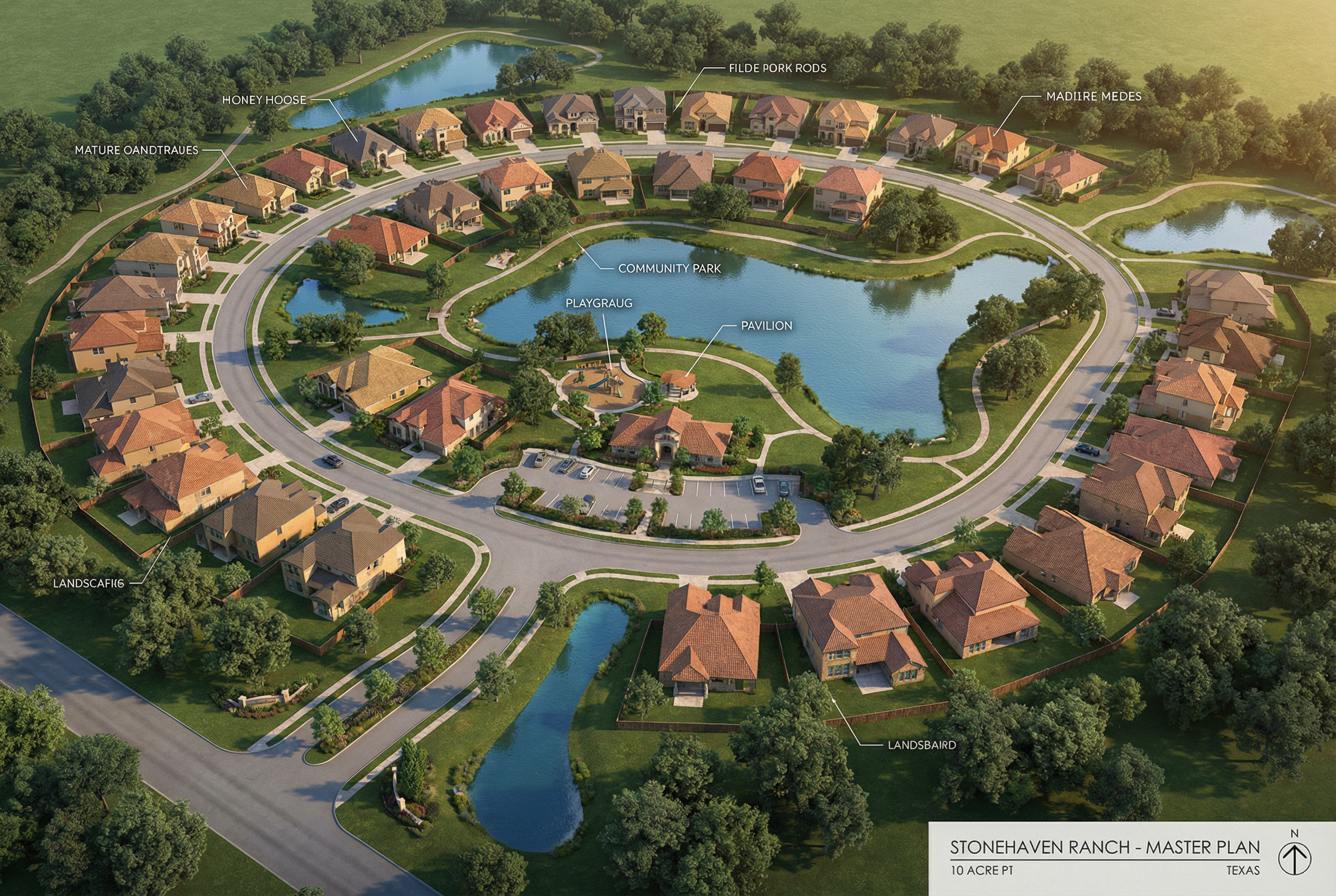
While there's no single magic number, a parcel of around 10 acres often emerges as a sweet spot for many types of suburban residential development. This size is typically large enough to achieve crucial economies of scale while remaining manageable from a development and absorption standpoint. It provides the flexibility to create a well-designed community with amenities, open space, and a variety of lot sizes that appeal to modern homebuyers.
Economies of Scale in Action
Consider the cost of a new road and sewer line. Whether you are servicing 10 homes or 50 homes, the initial mobilization cost for construction crews and equipment is similar. On a 10-acre project with 40 lots, that fixed cost is spread across many more units, significantly lowering the cost per lot compared to a 2-acre project with only 8 lots. This efficiency is what makes larger projects more profitable and attractive to builders. It allows for the creation of a more desirable community with better amenities, which in turn commands higher sale prices. Understanding how developers value land is crucial; they are buying the potential for profit, and scale is a primary driver of that profit.
Acreage Requirements by Project Type
The ideal acreage is intrinsically linked to the proposed use. A sprawling industrial park has vastly different needs than a compact multi-family development. Here’s a general overview of typical minimums in many parts of North Texas.
Single-Family Residential Subdivisions
For a standard suburban subdivision, 10 to 20 acres is often the minimum to create a viable project. This allows for a meaningful number of lots (30-80, depending on density), internal streets, and potentially a small park or amenity center. Projects under 10 acres can work, but they face challenges in achieving a unique community identity and absorbing infrastructure costs efficiently.
Multi-Family and Commercial Development
Multi-family projects, like apartment complexes, can often be built on smaller parcels, typically in the 3 to 5-acre range, due to their higher density. The key here is location and zoning. These projects require high visibility and easy access to major thoroughfares. Similarly, a standalone commercial building, like a drug store or fast-food restaurant, might only need 1 to 2 acres. However, a larger shopping center with multiple anchor tenants and pad sites will require 15 acres or more.
When Smaller Parcels Can Still Win
Not all value is found in large-scale subdivisions. Smaller parcels, particularly those in strategic locations, can be incredibly valuable. An "infill" lot in a desirable, established neighborhood can be perfect for a high-end custom home. A corner lot at a busy intersection might be the ideal spot for a new bank or coffee shop. The key is that the value is dictated by the location and the specific, limited need it can fill. However, these are niche opportunities. For most raw land on the suburban fringe, scale is the primary driver of value.
The biggest mistake a landowner can make is failing to understand the full potential of their asset. By selling your land without taking it through the entitlement process, you are essentially handing over the most profitable part of the development cycle to someone else. You are selling a raw ingredient instead of a finished product.
At Land Partner Group, we believe the landowner should be the primary beneficiary of their property's hidden value. We provide the expertise, capital, and strategic guidance to navigate the entitlement process, transforming your raw land into a permit-ready project that commands top dollar from the market. Don’t sell your legacy short. Partner with us, and let’s unlock the true value of your land together.
Frequently Asked Questions
Don't Sell Your Land Short. Partner for Its Full Potential.
If you own 10 or more acres in North Texas, submit a quick qualification form to discover whether a structured partnership could unlock 2–3x your land's current value.