
Selling land to a developer should be one of the most financially rewarding transactions of your life. For many North Texas landowners, their property represents decades of ownership, family history, and significant unrealized value. Yet time and again, landowners leave hundreds of thousands—sometimes millions—of dollars on the table because of avoidable mistakes.
The land entitlement process in North Texas creates enormous value, and understanding where that value comes from is the key to avoiding the mistakes that cost landowners the most. This guide covers the most common errors and how to protect yourself.
Mistake 1: Accepting the First Offer Without Understanding Your Land's Potential
When a developer contacts you with a cash offer, it's natural to feel excited. Someone wants to buy your land, and the number they're quoting sounds substantial. But here's what most landowners don't realize: that first offer is almost always based on the raw land value—the lowest point in the land's value lifecycle.
Developers make their profit by purchasing land at raw prices, investing in entitlements, and selling the entitled lots at a significant premium. The difference between raw and entitled land values can be two to three times or more. When you accept a raw land offer, you're essentially giving the developer the most profitable phase of your property's value chain for free.
Before accepting any offer, take the time to understand what your land could be worth after entitlement. A feasibility analysis can reveal whether your property has development potential that would justify a structured partnership rather than a quick cash sale.
Mistake 2: Not Understanding What the Developer Plans to Do
Many landowners sell their property without fully understanding the developer's plans. They see a purchase price, sign the contract, and move on. Months later, they drive past their former property and see a thriving subdivision with homes selling for $400,000 each—built on lots that the developer purchased from them for a fraction of that value.
Understanding the developer's intended use is critical because it reveals the true value of your land. If a developer plans to build 50 homes on your property, each selling for $350,000 to $500,000, the total project value could be $17 million to $25 million. The land component of that value is typically 15% to 25% of the total—meaning your land could be worth $2.5 million to $6 million in the right structure, not the $800,000 cash offer sitting on your kitchen table.
Ask questions. What do they plan to build? How many units? What's the expected sale price? Understanding how developers value land gives you the knowledge to evaluate whether their offer is fair.
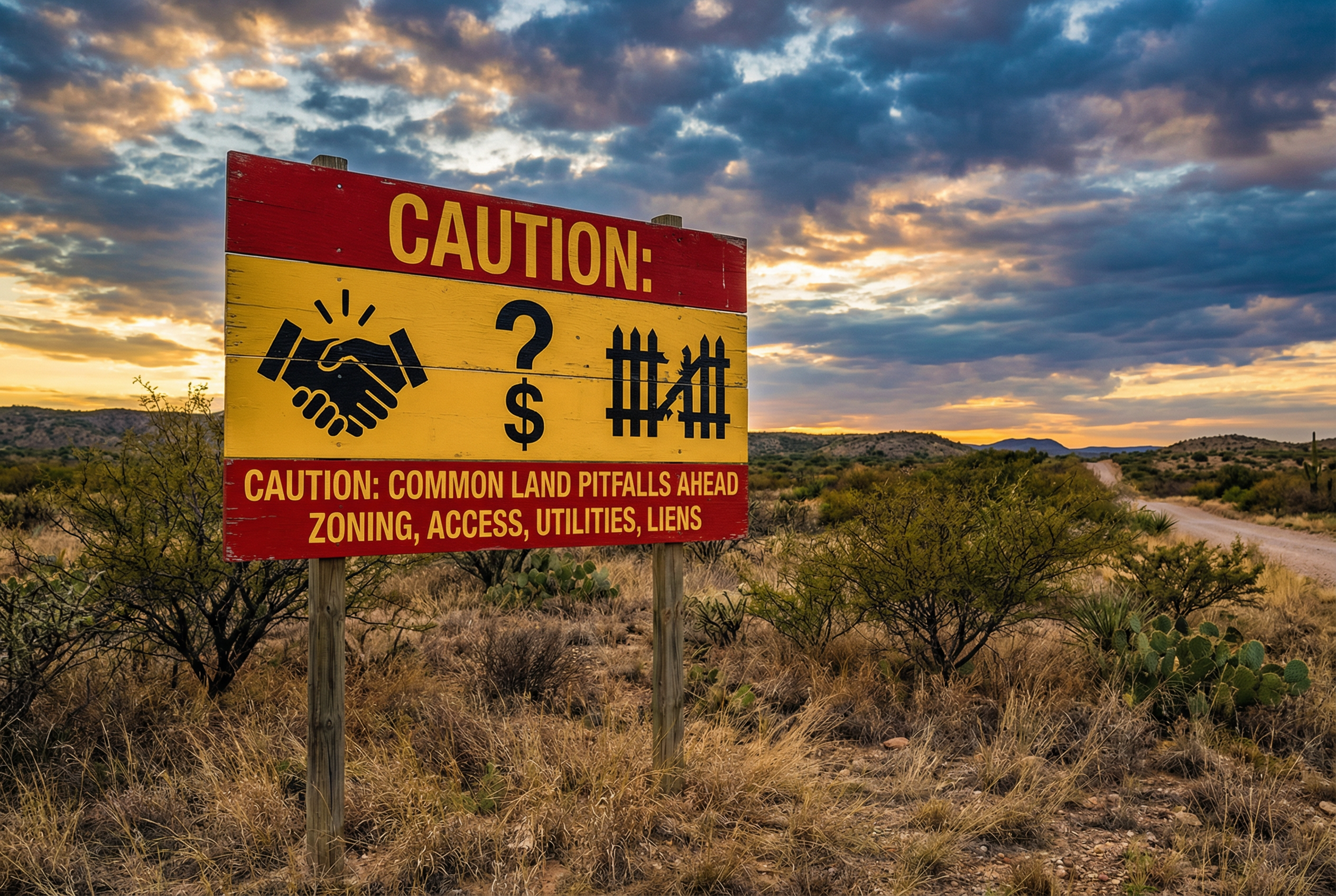
Mistake 3: Ignoring the Entitlement Premium
The entitlement premium is the difference in value between raw land and land that has received development approvals. This premium exists because entitlement eliminates the biggest risks in the development process—zoning uncertainty, environmental issues, infrastructure questions, and community opposition.
Once land is entitled, builders know exactly what they can build, how many units are approved, and what infrastructure is in place. This certainty is extremely valuable, and builders pay a significant premium for it. The entitlement process is what creates this value, and landowners who participate in it—rather than selling before it happens—capture a much larger share of their property's true worth.
In the Dallas–Fort Worth market, entitled lots typically sell for $80,000 to $150,000 or more per lot, depending on the location and product type. Raw land in the same area might sell for $30,000 to $50,000 per acre. The math is straightforward: if your 20-acre property can support 80 lots at $100,000 each, the entitled value is $8 million—compared to a raw land value of perhaps $1 million to $1.5 million.
Mistake 4: Negotiating Price Without Understanding Structure
Most landowners focus exclusively on the purchase price when negotiating with developers. While price matters, the structure of the deal often has a bigger impact on your total financial outcome. A slightly lower price with profit participation can yield dramatically better results than a higher fixed price.
Deal structure encompasses several critical elements: the timing of payments, contingencies, profit-sharing mechanisms, and risk allocation. A well-structured option agreement can allow you to participate in the upside of development while the developer funds the entitlement process. This means you don't just get a one-time payment—you share in the value that's created over the life of the project.
The key is understanding that you have leverage. If your land has development potential, developers need it. You don't have to accept the first structure they propose. Working with an experienced partner who understands both the development process and deal structuring can help you negotiate terms that truly maximize your outcome.
Mistake 5: Selling Under Time Pressure
Developers are skilled negotiators, and many use urgency as a tactic. "This offer expires Friday." "We're looking at another property." "The market could change." These pressure tactics are designed to prevent you from doing the due diligence that would reveal your land's true value.
The reality is that if your land has genuine development potential, it will have that potential next week, next month, and next year. The Dallas–Fort Worth market has been growing consistently for decades, and the fundamental drivers of that growth—job creation, population migration, and limited housing supply—aren't going away.
Taking time to understand your options is not a risk—it's an investment. A few weeks of research and consultation could be worth hundreds of thousands of dollars in additional value. Don't let artificial urgency push you into a decision you'll regret.
Mistake 6: Not Considering the Tax Implications
The tax consequences of a land sale can significantly impact your net proceeds. Capital gains taxes, depreciation recapture, and state taxes can consume a substantial portion of your sale price. Yet many landowners don't consider these implications until after the deal is done.
Different deal structures have different tax implications. A structured partnership or installment sale may offer tax advantages that a lump-sum cash sale does not. Consulting with a tax professional who understands real estate transactions before you commit to any deal structure is essential.
Mistake 7: Going It Alone
Perhaps the most fundamental mistake is trying to navigate the land sale process without expert guidance. The development industry is complex, and developers have teams of lawyers, engineers, and financial analysts working on their behalf. As a landowner, you deserve the same level of expertise working for you.
This doesn't mean you need to hire an army of consultants. A knowledgeable partner who understands the development process, local market dynamics, and deal structuring can level the playing field. They can help you understand your land's true potential, evaluate offers objectively, and negotiate terms that protect your interests.
The decision between selling and partnering is one of the most important financial decisions you'll make as a landowner. Having the right guidance can make the difference between a good outcome and a great one.
Get a Free Feasibility Review
If you own 10 or more acres in the Dallas–Fort Worth area and have been approached by developers—or are considering selling—the most important step you can take is understanding your land's full potential before making any commitments. Submit your property details for a free feasibility review and our team will help you understand what your land could be worth with the right strategy.
There's no cost, no obligation, and no pressure. You'll gain the clarity and confidence you need to make the best decision for your property and your family's financial future.
Frequently Asked Questions
Don't Sell Your Land Short. Partner for Its Full Potential.
If you own 10 or more acres in North Texas, submit a quick qualification form to discover whether a structured partnership could unlock 2–3x your land's current value.