
As a landowner in North Texas, you hold a valuable asset in a rapidly growing market. The question isn’t if you’ll profit from your land, but how you’ll maximize that profit. You generally have two primary paths: an immediate cash sale to a buyer or a strategic partnership with a land developer. While the allure of a quick, lump-sum payment is strong, it often means leaving a substantial amount of money on the table. The vast majority of a property’s ultimate value is unlocked not in its raw state, but through the complex process of land entitlement.
This decision is one of the most significant you’ll make as a property owner. Selling too early is the single biggest financial mistake a landowner can make. This article will explore the critical differences between selling now and partnering with an expert like Land Partner Group, helping you understand the financial implications and determine the best path for your unique situation.
The Appeal of the Immediate Cash Sale
The most common route for landowners is selling their property directly to a homebuilder, developer, or investor. The process is familiar and straightforward: you agree on a price, sign the documents, and receive a check. This path offers certainty and speed, which can be incredibly appealing, especially if you need liquidity or wish to divest from the property without further complications.
Pros and Cons of Selling Now
The primary advantage of a cash sale is its immediacy and simplicity. You get a guaranteed payout on a set timeline, eliminating all future risks associated with the property. There are no development costs to worry about, no entitlement battles with the city, and no market downturns that could affect a future sale. The transaction is clean and final.
However, the significant downside is the price. A buyer of raw, unentitled land is purchasing a problem, not a finished product. They are taking on the substantial risk, cost, and time required to entitle the land. Their offer will be heavily discounted to account for:
- Entitlement Costs: Engineering studies, zoning applications, legal fees, and municipal impact fees can run into hundreds of thousands or even millions of dollars.
- Risk Premium: There’s no guarantee that the city will approve the desired zoning or platting. The buyer is pricing in the risk of failure or costly delays.
- Holding Costs: Property taxes, insurance, and interest on capital during the 1-3 year entitlement process add up quickly.
- Profit Margin: The buyer is a business that needs to generate a significant return for taking on the risk and effort. This profit comes directly from the discount on your land’s potential value.
When you sell raw land, you are essentially paying a massive premium for someone else to solve the entitlement puzzle. You get cash now, but you forfeit the enormous value created during the development process.
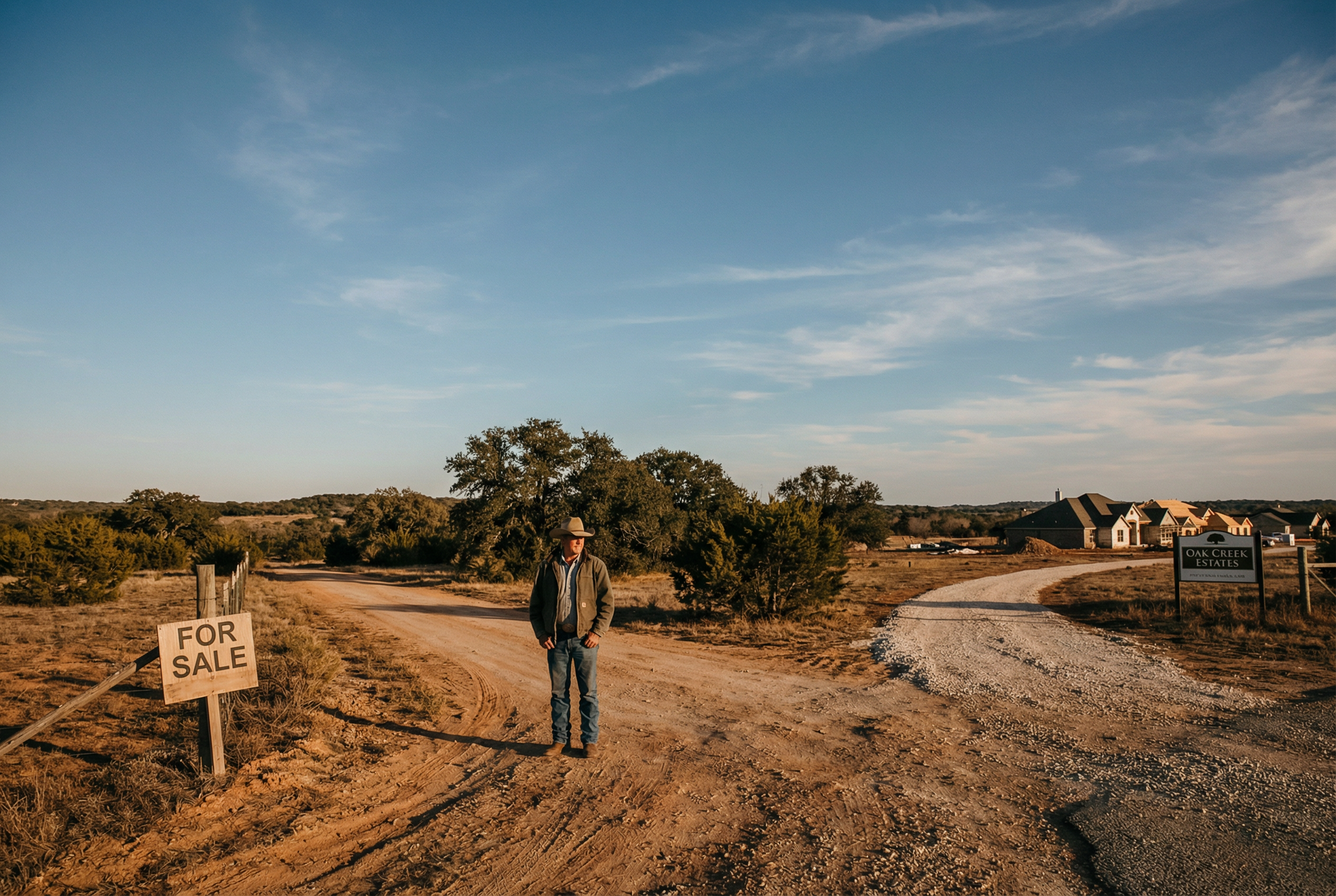
The Power of the Development Partnership
A development partnership offers a compelling alternative. Instead of selling your land at a discount, you partner with a development expert who navigates the entitlement and development process on your behalf. In this model, you contribute the land, and the developer contributes their expertise, capital, and resources to maximize its value. The goal is to sell the property after it has been entitled, capturing the significant increase in value for yourself.
Pros and Cons of Partnering
The single greatest advantage of a partnership is the potential for a much higher financial return. By participating in the value creation process, you move from being a seller of a raw commodity to a seller of a finished, shovel-ready project. The difference between raw land and entitled land value can be staggering, often representing a 2x to 5x increase, or even more in some cases.
Partnering also aligns your interests with the developer. You both want the highest possible price for the finished lots or commercial pads. The developer is incentivized to fight for the best possible zoning, the most efficient site plan, and the highest market price. This is a stark contrast to a cash buyer, who is incentivized to pay you the lowest possible price.
The primary “con” or trade-off is the timeline and a degree of uncertainty. You don’t get a lump-sum payment tomorrow. The process takes time, and you are exposed to market risks during the partnership period. However, a well-structured partnership, like those offered by Land Partner Group, is designed to mitigate these risks. We cover the upfront capital for the entitlement process, meaning you have no out-of-pocket expenses. Often, this is structured through a land option agreement, which gives the developer the right to purchase and develop the land under agreed-upon terms, protecting both parties.
Financial Comparison: Leaving Money on the Table
Imagine you own 50 acres of raw land. A homebuilder might offer you $50,000 per acre today, for a total of $2.5 million. It’s a tempting offer. However, you know the area is growing. You decide to partner with Land Partner Group.
We invest our capital and 18 months to get the property zoned and platted for 200 single-family lots. Once entitled, the “shovel-ready” lots are now worth $40,000 each to that same homebuilder. The total value is now $8 million (200 lots x $40,000). After deducting development costs and the agreed-upon profit split, your final proceeds could be in the range of $5 million to $6 million—more than double the initial cash offer. By waiting and participating in the value creation, you captured the wealth that you would have otherwise left on the table.
Which Option is Right for Your Situation?
Choosing between a cash sale and a partnership depends entirely on your financial goals, risk tolerance, and timeline.
A cash sale may be right for you if:
- You have an immediate and pressing need for liquidity.
- You have zero tolerance for any market or entitlement risk.
- You want a simple, clean exit from the property and are willing to accept a lower price for that convenience.
A development partnership is likely the superior choice if:
- Your primary goal is to maximize the financial return from your land.
- You have a longer-term perspective and do not need the cash immediately.
- You want to benefit from the growth in your area but lack the expertise or capital to undertake development yourself.
- You want to work with a team whose financial success is directly tied to your own.
For most landowners who can afford to be patient, the answer is clear. Partnering unlocks the true potential of your asset. It transforms you from a passive seller into an active participant in your land’s success story.
Don’t let a tempting but discounted cash offer cause you to make a multi-million dollar mistake. Before you sell, understand what your land could truly be worth. If you’re ready to explore how a strategic partnership can unlock the full value of your property, the next step is to connect with our team. Let us provide a no-obligation analysis of your land’s potential and show you the power of partnership.